

Looking Back to Move Forward: The Rise of Nostalgia
Have you been thinking about the past lately? Getting lost in old photos? Watching your favourite retro movies (helloooo Disney+ !) or even making traditional family recipes you literally have never tried making before??
If you’re feeling all, “they don’t make things like they used to…”, then you’re not alone.
Studies indicate that experiencing distress, or “negative mood” is a common trigger of nostalgia and that these distressing experiences can include loneliness, boredom, and “self-discontinuity,” all of which are now daily norms as we self-isolate in our homes and watch the 24-hour news coverage of the pandemic.
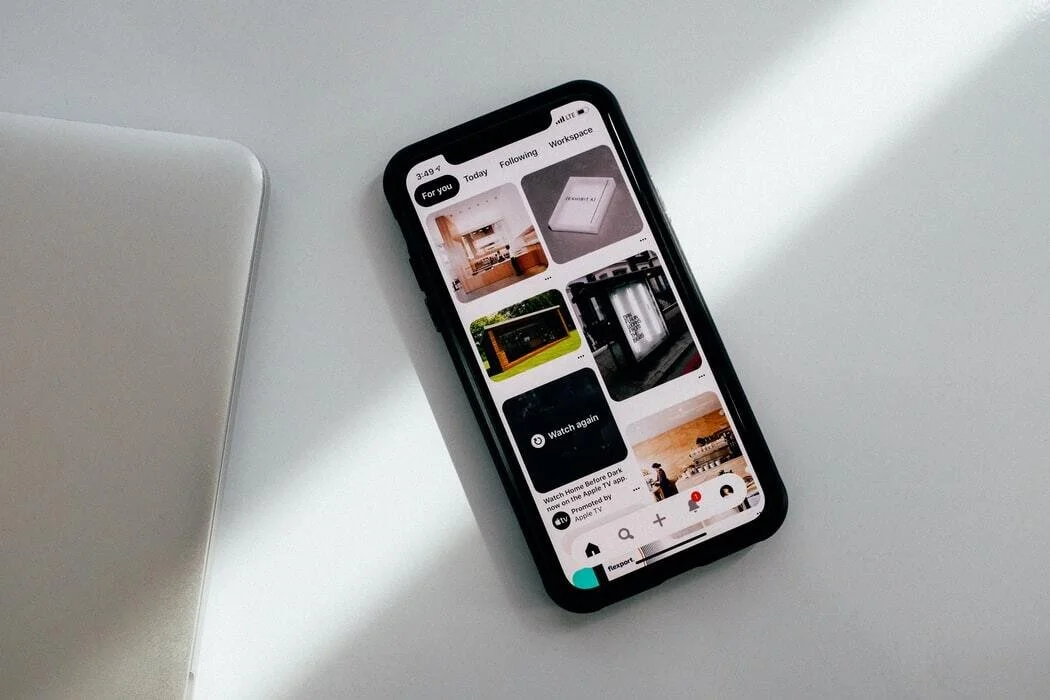
Pivot Your Strategy: Direct Mail vs Influencer Marketing
P I V O T - If you haven’t used this word in the last 6 weeks, where have you been?
Once the dust settled and everyone got used to our new “norm”,marketers around the world have had to pivot. But what does that mean exactly? Well to be honest, it means different things to different brands, depending on the industry.
Over the past 6 weeks we have seen a surge in online activity from all the major social platforms. Instagram has seen increased usage by 40%, FB by 70% and Tik Tok has seen crazy growth as people try to keep themselves sane/entertained.

It's Time to Take Your Brand to TikTok
Have you heard? There’s a new kid on the social media block; TikTok is taking over screens across the globe. True to its name, users tend to get lost for hours on this platform, with its addictive content and unique strategy has led to over 1BB monthly active users. TikTok has cemented its place amongst top social media platforms and is poised as a blue ocean opportunity for marketers.
TikTok’s rise to social media stardom is not accidental; its ascent was carefully planned and executed by its parent company ByteDance. TheChinese organization purchased the app Muciscal.ly back in 2018 and converted that usership to TikTok. From day one, TikTok had vast reach across NorthAmerica. TikTok’s designers have also broken the status quo with several key features of the app (for a more detailed report on this check out our latest blog post – Unwinding the Inner Workings of TikTok).

3 Things to remember when working with Influencers
Even with the ‘Like’ count missing from plain site, influencer marketing continues to grow. It is a great way for brands to get their product or cause, in front of an engaged and connected audience; with the marketing possibilities continuing to grow. And why wouldn’t it? Influencer marketing statistics show, for every $1 spent on influencer marketing, businesses are making $5.20 in earned media value.
Influencers are receiving partnership and sponsored post proposals more frequently than ever: 45% of influencers receive approximately four campaign proposals a month. They are in high demand, have tight turn around schedules and their content is booked for months in advance.
With this is mind, here are some important things to remember when venturing into an influencer campaign.

Unwinding the Inner Workings of TikTok
If you are reading this article, you are probably stuck at home. You have already devoured all eight episodes of The Tiger King and have resorted to scrolling through your social media feeds for entertainment. You are not alone; with millions of Canadians turning to online platforms to keep them occupied during the COVID-19 pandemic, digital media consumption has soared to unprecedented volumes. One platform in particular is reaping the benefits of the nation’s stay-at-home orders; TikTok.
If you don’t know already (Gen X – looking at you), TikTok is a social media platform specifically designed to present short-form video.On the surface, it appears to be very similar to the now deceased Vine (RIP). The platform is comprised of seconds-long quirky clips created to momentarily entertain users. However, if you peak beneath the surface of TikTok, you will reveal a powerful engine designed to keep users on the app for hours at a time.

Trend Three: We (customer/consumer) demand immediacy!
Firstly, I want it nowI want it now consumers seek frictionless experiences that mesh with their lifestyles, allowing them to dedicate more time to their professional and social lives. They often turn to apps that help them organize their lives and especially intrigued by innovations that help them avoid queues, reduce waiting time, and synchronize their personal information and preferences
Secondly, The time premium is on the rise Efficiency-driven lifestyle trend is driven by those aged 30 to 44 years, with almost 50% of this segment indicating they are willing to spend money on products or services that save time
Thirdly, Mobile app technology has helped people keep up

Trend Two: We are becoming more self-sufficient!
Firstly, I can look after mysel
‘I can look after myself’ consumers are active and engaged but turning to services that simplify, clarify and improve every day lives, rather than manage it for them. Food with ‘Free from’ labels are still the fastest growing category in packaged food, but apps such as Spoon Guru offer consumers a way to design their diet without relying on supermarket brandin
Secondly, Consumers prioritize health, happiness and simplicity and will spend more to get it
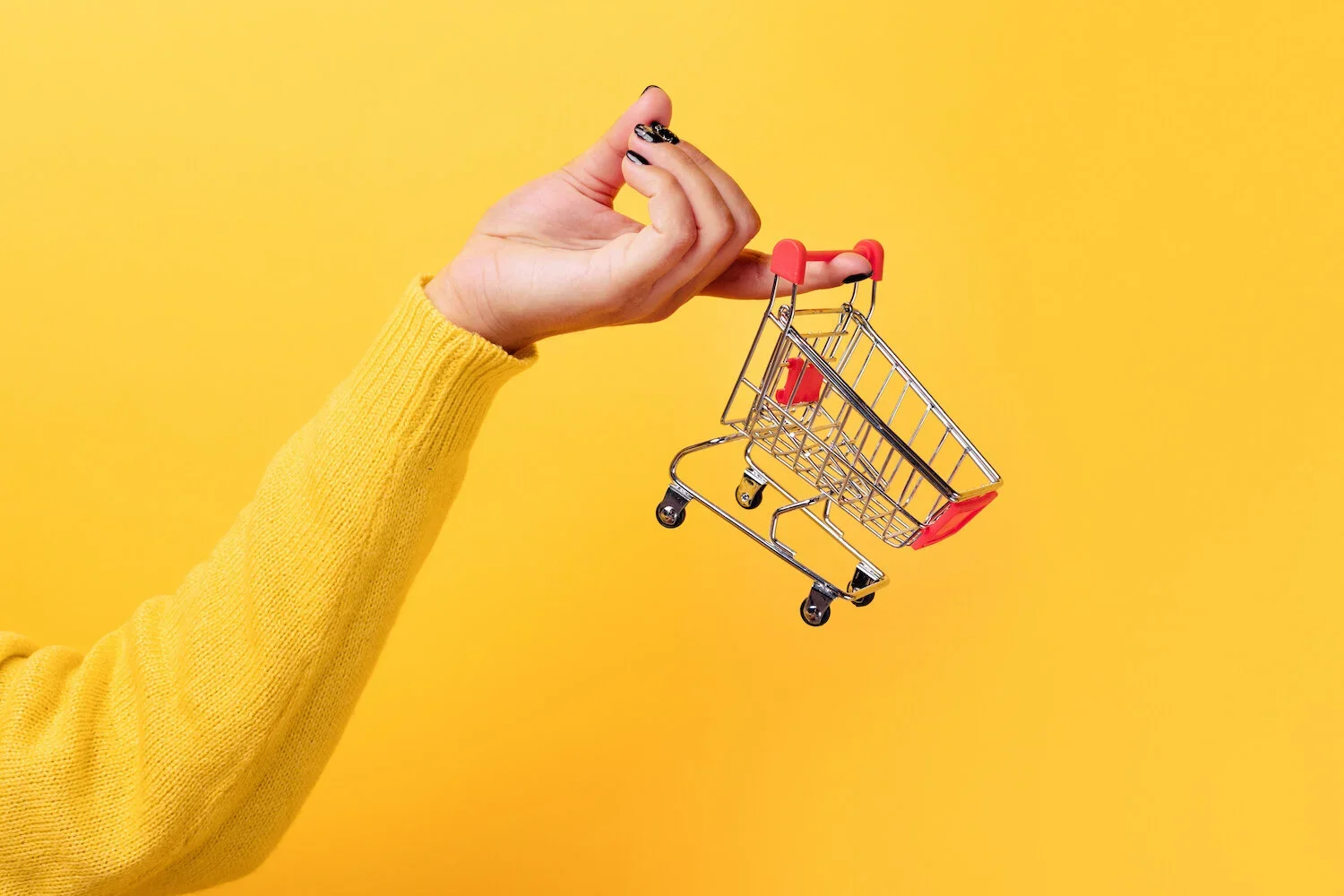
Trend One: We (the customer/consumer) are becoming wiser!
Firstly, Everyone’s an expert
Power has switched. Previously, shoppers relied on certain brand or information source to get what they wanted. Now companies must innovate, drive prices down, streamline and glitter their offerings to entice shoppers. Rather than be seduced by brands’ marketing, consumers look to each other for advice on what to buy and where, and how to get the best product for their money
Secondly, ‘The customer is always right’ has never been truer

Recycling is in the Past
We have to recognize that we have reached a breaking point in our ability to recycle. We are not only failing miserably at properly sorting out our garbage, but the garbage we do manage to organize is no longer being received with open arms by the countries we ship it to.
This has forced us to rediscover the art reducing and re-using. Behaviours that were once seen as being cheap or stingy are now gaining popularity as we learn that less is indeed sometimes more, and we begin to value each item not only for what it can immediately provide us with, but also for what it can do for us - in the future.