

Community Isn’t a Channel: Defining the Value of an Engaged Brand Community
Community is one of the most overused words in marketing and one of the most misunderstood.
Most brands say they want to “build community.” What they often mean is they want more followers, more engagement, or more loyalty. But community isn’t reach. It isn’t frequency, and it definitely isn’t just a comment section.
A true brand community exists when people don’t just consume a brand, they participate in it, identify with it, and feel something when they encounter it.
That emotional layer is what creates long-term value.
What a Brand Community Actually Is
A brand community is a group of people who share:
A common identity or belief
A sense of belonging connected to the brand
A reason to engage that goes beyond transactions
Community forms when a brand becomes a signal, something people recognize, repeat, or rally around because it reflects who they are or how they want to feel.
Importantly, community doesn’t always mean an owned platform. Some of the strongest brand communities exist in culture and conversation, not in forums or apps.
Why Engaged Brand Communities Matter More Than Ever
An engaged community creates advantages that paid media alone can’t replicate:
1. Emotional Memory
People remember how brands make them feel far longer than what they say. Community creates emotional memory, not just awareness.
2. Cultural Stickiness
When a brand becomes part of language, rituals, or routines, it stays relevant even as platforms change.
3. Trust at Scale
Communities distribute trust peer-to-peer. This is increasingly critical in a world where consumers rely on other people, not brands, to validate decisions.
4. Long-Term Resilience
Communities don’t just drive loyalty; they create advocacy, patience, and defense when brands face scrutiny or missteps.
Dr Pepper: When Community Shapes the Brand
A perfect example of community creativity becoming part of a brand’s story comes from Dr Pepper.
A TikTok creator named Romeo posted a catchy, spontaneous jingle, “Dr Pepper baby, it’s good and nice. Doo doo doo”, that quickly went viral, racking up millions of views. The brand didn’t just watch it spread, they took action and licensed the original jingle and featured it in an official national TV commercial during a major championship game.
👉 Watch the official Dr Pepper commercial:
👉 And see the original TikTok trend: https://www.instagram.com/reels/DTOphYzjFOZ/
📺 A popular Instagram reel showing clips of the viral TikTok that inspired the campaign
Why this matters:
This wasn’t a paid ad placement, it was a community moment that amplified itself. People weren’t just watching an ad; they were participating in the brand’s cultural footprint. That kind of shared experience builds far more lasting connection than any broadcast alone.
Nike Run Club: Community Through Participation
Another iconic example is Nike Run Club, a community built around shared activity rather than passive consumption.
Nike Run Club users track runs, join challenges, share results on social media, and celebrate each other’s progress together. These shared rituals, especially when paired with technology that helps runners connect and create a lived experience of community.
👉 See Nike Run Club community videos and posts shared by runners online:
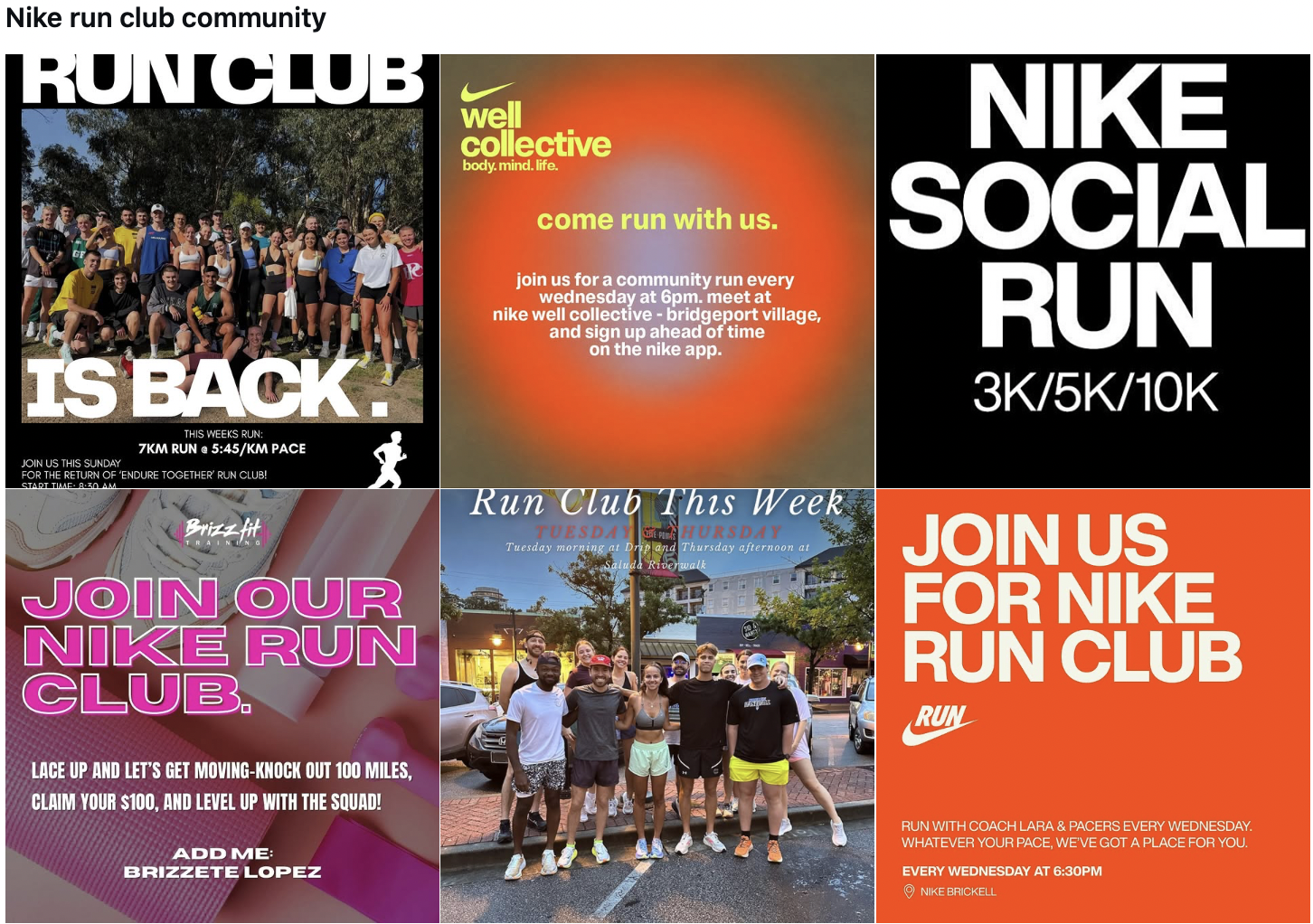
This community isn’t just about an app, it’s about identity (“I’m a runner”), mutual encouragement, and shared milestones. People turn fellow runners into friends, and casual runners into consistent members of an ecosystem.
Community Requires Stewardship, Not Just Content
Here’s where many brands fall short.
Community doesn’t run on autopilot.
Once a brand has an engaged community, it also inherits responsibility:
Conversations happen in real time
Issues escalate publicly
Sentiment can shift quickly
Risk doesn’t respect office hours
Modern community management is no longer just replying to comments. It’s an always-on operating layer that protects the relationship between brand and audience.
Strong community stewardship includes:
Continuous listening and sentiment monitoring
Clear escalation paths for sensitive issues
Guardrails for brand voice and response
Consistency across platforms and teams
Without this layer, risk doesn’t disappear, it simply stays invisible until it becomes expensive.
How Brands Should Monitor and Manage Their Communities
Healthy communities need both freedom and structure.
Effective brands actively:
Monitor conversation trends and sentiment shifts
Identify emerging issues early, before they escalate
Empower moderators with clear guidelines and authority
Use tools and human judgment together to maintain tone, safety, and trust
Community management isn’t about control, it’s about confidence, speed, and protection. When teams know how to act, they move faster, not slower.
Community Is a Long-Term Commitment
Posting frequently is not the same as building community.
Community requires:
Consistency over time
A clear role in people’s lives
Recognition of participation
Ongoing stewardship once engagement exists
Brands that succeed here don’t chase every trend. They commit to a role they play in culture and keep showing up that way.
The Takeaway
Community isn’t about scale.
It’s about connection.
Dr Pepper shows how cultural moments create belonging.
Nike Run Club shows how participation creates identity.
But neither works without stewardship.
The brands that win don’t just build audiences.
They build places people want to belong and systems that protect that belonging over time.
Let’s talk about how community management can work better for your business. Call us now to book a strategy call